

Tinnitus - when the body makes noises that nobody hears
Tinnitus - when the body makes noises that nobody hears
A whistling, a hissing, a buzzing. Constantly there. Constantly annoying. For many people, tinnitus is more than just a ringing in the ears - it is a stressor, a sleep robber, a trigger for anxiety, withdrawal and exhaustion. And: it is a symptom that affects the whole person.
It is estimated that more than 10 million people in Germany suffer from tinnitus - many of them permanently. The good news is that even though tinnitus is often not completely "curable", there are now effective therapeutic ways to regulate it , calm it down and live better with it.
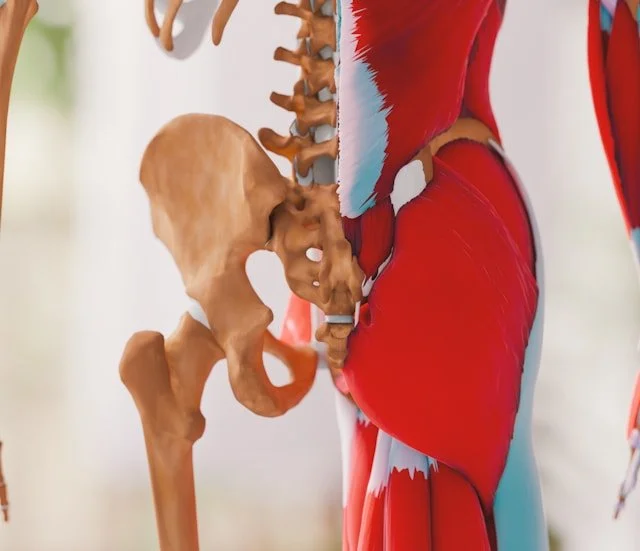
Joint replacement - move safely, stay mobile in the long term
Joint replacement - move safely, stay mobile in the long term
What physiotherapy and occupational therapy can do for hip and knee replacements
An artificial hip or knee joint can be a real turning point: for many patients, it means the end of years of pain and limitations - at the same time, a new process begins that requires targeted movement, therapeutic support and conscious adaptation to everyday life. After all, joint replacement is not a destination, but the beginning of a new functional journey.

Self-efficacy in pain therapy
Why chronic pain needs not just treatment, but a relationship
Chronic pain changes more than just the body - it has a deep impact on the experience, behavior and self-perception of those affected. The longer the pain persists, the more confidence in one's own body, in the future and in one's own actions often dwindles. This is precisely where a central concept comes into play that plays a key role in modern pain therapy: self-efficacy.
What does that mean? Self-efficacy means the inner conviction that you can achieve an effect through your own behavior. And: it is not a luxury, but a therapeutic goal - especially for patients with chronic pain.

Between Voodoo, Placebo & Palm Leaf
A tongue-in-cheek look at non-evidence-based therapeutic procedures – between placebo, everyday practice and palm leaf diagnostics
We live in a time where you can treat back pain with duct tape, release energy blockages with gentle jaw rocking, and read the causes of illness from the trajectory of a chicken bone. Sounds weird? Sometimes it is. And yet, many of these procedures are popular, widespread, colorfully labeled, certified, and well-intentioned.
In therapeutic practice, we encounter methods every day whose scientific effectiveness lies more in the realm of poetry – but which nevertheless have an impact on people .

Carpal tunnel syndrome - targeted relief, secure grip
Carpal tunnel syndrome - targeted relief, secure grip
What physiotherapy and occupational therapy can do for CTS before and after surgery
Tingling in the fingers at night, a furry feeling in the hand, loss of strength when gripping - carpal tunnel syndrome (CTS) is one of the most common nerve compression syndromes of all. The symptoms are caused by a constriction of the median nerve in the wrist area.
Many complaints can be significantly alleviated with targeted conservative therapy - but even after an operation, follow-up treatment with physiotherapy and occupational therapy plays a key role in fully restoring function, strength and mobility.

Heel spur - targeted relief, conscious movement
What physiotherapy and occupational therapy can do for plantar fasciitis
A stabbing pain in the heel when you take your first step in the morning or after sitting for a long time - for many people, this is the start of a long journey of suffering. The so-called heel spur, often associated with irritation of the plantar fascia, can severely restrict everyday life and movement. The good news: in most cases, heel pain can be significantly improved through targeted physiotherapy, ergonomic relief and functional occupational therapy - without any invasive measures.

Scoliosis - promoting movement, finding posture
What physiotherapy and occupational therapy can do for spinal curvature
Scoliosis - a lateral curvature and twisting of the spine - does not only affect children and adolescents. It can also cause complaints such as back pain, muscular imbalances or breathing problems in adulthood. The good news is that in many cases, scoliosis can be effectively treated with targeted exercise therapy, functional strengthening and occupational therapy that is close to everyday life - without the need for a corset or surgery.

Pain and sleep disorders
How physiotherapy and occupational therapy can help break the vicious circle
Pain and sleep problems often occur hand in hand - and reinforce each other in an unfavorable way. Chronic pain leads to disturbed sleep at night, while restless or too short sleep in turn increases the perception of pain and makes physical regeneration more difficult. The result is a persistent vicious circle of exhaustion, pain and nervous system overload.
But the good news is that this cycle can be broken. A holistic therapeutic approach involving physiotherapy and occupational therapy can improve sleep quality, reduce pain and calm the nervous system.

Pain medication in therapy – curse or blessing?
How pain medications affect physiotherapy and occupational therapy – and how we can consciously deal with them
Pain medications are often an integral part of the lives of people with chronic or acute pain. They can provide short-term relief, restore quality of life, and even facilitate the return to exercise. However, they also pose challenges for therapists: medications not only relieve pain but also affect body perception, resilience, and the autonomic nervous system.

Sliding vertebrae - stability through targeted movement
What physiotherapy and occupational therapy can do for spondylolisthesis
A slipped vertebra - medically known as spondylolisthesis - can cause back pain, restricted movement or radiating symptoms. Many sufferers are unsettled when they receive this diagnosis. But the good news is: In the vast majority of cases, a slipped vertebra can be treated well conservatively and without surgery. Pain can be reduced and stability significantly improved with targeted physiotherapy, functional strengthening and everyday occupational therapy.

Sore muscles - what's behind the pain
Between training stimulus and regeneration: what really helps?
Many people are familiar with it: the pulling, stiff pain that spreads through the muscles one or two days after unusual exertion. Sore muscles are part of everyday life for many sports enthusiasts - for others it is more of a nuisance or even worrying. But what is the physiology behind it? And how can physiotherapy help to support regeneration and optimally prepare the body for new exertion?

Tension headache - when the head is under pressure
How physiotherapy and occupational therapy can provide lasting help
Dull pressure, pulling pain from the neck to the forehead, the feeling of a tight belt around the head - tension headaches are one of the most common forms of pain. They often start insidiously, are distressing but rarely alarming - and are therefore often underestimated. However, there is often more to tension headaches than just a tense neck. The good news is that with targeted physiotherapy, occupational therapy support and a holistic approach, the symptoms can be effectively alleviated and the frequency significantly reduced.

Chronic pain - understanding, accompanying, changing
What physiotherapy and occupational therapy can do today
Chronic pain affects millions of people - and yet it often remains misunderstood. When pain persists for weeks and months, even though no acute cause can be identified, an invisible battle begins: against exhaustion, insecurity, withdrawal, powerlessness. But chronic pain is not an inevitable fate. On the contrary, there are now effective, interdisciplinary therapy concepts in which physiotherapy and occupational therapy in particular play a central role.

Osteoarthritis of the hip joint - keep moving instead of surgery
How physiotherapy and occupational therapy can effectively help with coxarthrosis
Pain when walking, starting pain after sitting, stiff movements in everyday life - all of these can indicate osteoarthritis in the hip joint. Coxarthrosis is one of the most common joint diseases in middle and old age. Many sufferers fear that only an operation will help. However, with targeted physiotherapy and occupational therapy to adapt to everyday life, the progression can be slowed down, the pain alleviated - and an active life without surgery can be maintained for years.

CRPS - pain that takes on a life of its own
How physiotherapy and occupational therapy can help with complex regional pain syndrome
CRPS - complex regional pain syndrome - is a rare but extremely distressing pain disorder. After an injury, operation or fracture, disproportionately severe pain develops, often accompanied by swelling, temperature changes, restricted movement and vegetative symptoms. For many sufferers, this marks the beginning of a long ordeal. However, modern physiotherapy and occupational therapy can help - if they start early, individually and holistically.

Irritable bowel syndrome - when the stomach takes control
How physiotherapy and occupational therapy can provide holistic support for irritable bowel syndrome
Flatulence, abdominal pain, diarrhea or constipation - many people suffer from functional digestive disorders for which no organic cause can be found. Irritable bowel syndrome (IBS) is one of the most common gastroenterological diagnoses - and yet it is more than just a "nervous stomach". This is because the symptoms are often caused by a complex interplay between digestion, the nervous system and psychological stress. This is precisely where a holistic therapeutic approach comes in - with valuable contributions from physiotherapy and occupational therapy.

Slipped disc - get moving healthily
What physiotherapy and occupational therapy can do for spinal osteoarthritis
Osteoarthritis is by no means just a problem of the large joints - the small vertebral joints can also degenerate painfully. Spondylarthrosis is one of the most common causes of back pain in middle and old age. However, pain is not the same as wear and tear. And even if osteoarthritis is diagnosed, conservative therapy offers effective ways to regain quality of life and mobility.

Osteoarthritis of the spine - moving instead of stiffening
What physiotherapy and occupational therapy can do for spinal osteoarthritis
Osteoarthritis is by no means just a problem of the large joints - the small vertebral joints can also degenerate painfully. Spondylarthrosis is one of the most common causes of back pain in middle and old age. However, pain is not the same as wear and tear. And even if osteoarthritis is diagnosed, conservative therapy offers effective ways to regain quality of life and mobility.

Non-specific back pain - update
What modern pain therapy can really achieve
Back pain is one of the most common complaints in modern society - and it is the main reason for sick leave. In over 85% of cases, the cause remains unspecific despite intensive diagnostics. However, it is precisely in these cases that modern conservative therapy shows considerable progress - if it is interdisciplinary, individualized and evidence-based.

Understanding endometriosis
What conservative therapy can achieve
Endometriosis affects an estimated one in ten women of childbearing age - and yet often remains undetected for years. Many sufferers experience severe pain, feel misunderstood and are severely restricted in their everyday life, sexuality and quality of life. Today, there are effective, conservative treatment approaches - beyond surgery and hormone treatment.